The Internal Revenue Service has shared updated guidance on federal tax refund timing, giving taxpayers across the country a clearer picture of when refund payments may begin reaching bank accounts. While there is no single nationwide payment date, the guidance helps filers understand what to expect based on how and when they submitted their tax returns.
How IRS Refund Payments Are Being Issued
The Internal Revenue Service has confirmed that refunds are being released on a rolling basis. This means payments are sent out continuously as tax returns finish processing, rather than on one fixed date for everyone. Taxpayers who filed early and submitted accurate returns are usually among the first to receive their refunds. Each refund is issued only after the return is fully reviewed and approved.
What Determines the Timing of Your Refund
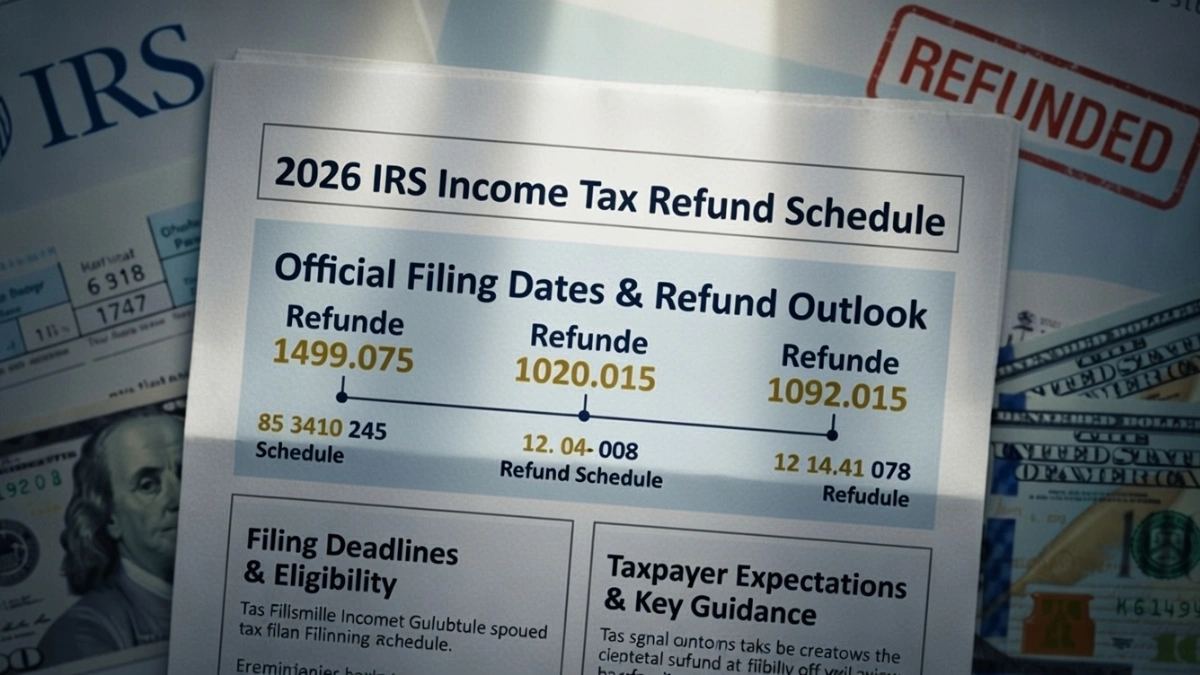
Refund timing depends mainly on when the IRS accepts a tax return and whether the return requires additional review. For taxpayers who filed electronically and chose direct deposit, refunds are generally issued within up to 21 days after acceptance. Returns accepted in late January or early February often fall into a mid-February to late-February deposit window, although individual results may vary.
यह भी पढ़े:
 $2,000 Direct Deposits Start February 9, 2026: Who Qualifies, Payment Timeline & IRS Rules Explained
There is no final date when all refunds are paid. Some taxpayers may receive deposits sooner, while others may wait longer due to processing factors. This rolling system helps the IRS manage the large number of returns it receives during the tax season.
Reasons Some Refunds Take Longer
Several factors can slow down refund processing. Returns that include refundable tax credits, income adjustments, or identity verification checks often take more time. In addition, even after the IRS sends a refund, banks may need extra time to post the deposit. Weekends and federal holidays can also delay when funds become available in an account.
Tracking Your Refund Status
Taxpayers can follow the progress of their refund using official IRS tracking tools. These tools show different stages, such as when a return is received, approved, and sent. Updates are usually refreshed once per day. A status that shows “processing” simply means the return is still under review and does not automatically indicate a problem.

Choosing the Fastest Payment Method
Direct deposit remains the quickest way to receive an IRS refund. Taxpayers who request a paper check should expect longer delivery times because of mailing and handling. Entering correct banking information during filing is important, as errors can cause refunds to be delayed or returned.
What to Do If Your Refund Is Delayed
If a refund does not arrive within the normal timeframe, taxpayers should avoid filing duplicate returns or making unnecessary changes. These actions can slow processing even further. If the IRS needs more information, it will contact the taxpayer directly by mail.
What to Expect Going Forward
Refund payments are expected to continue steadily throughout the tax season. While many taxpayers will see deposits in February, others may receive refunds later depending on their individual processing timeline.

Disclaimer: This article is for informational purposes only and does not provide legal, financial, or tax advice. IRS refund timelines and processing rules may change based on official policy updates and individual circumstances. Always refer to official IRS guidance or consult a qualified tax professional for personalized advice.